
 rmation
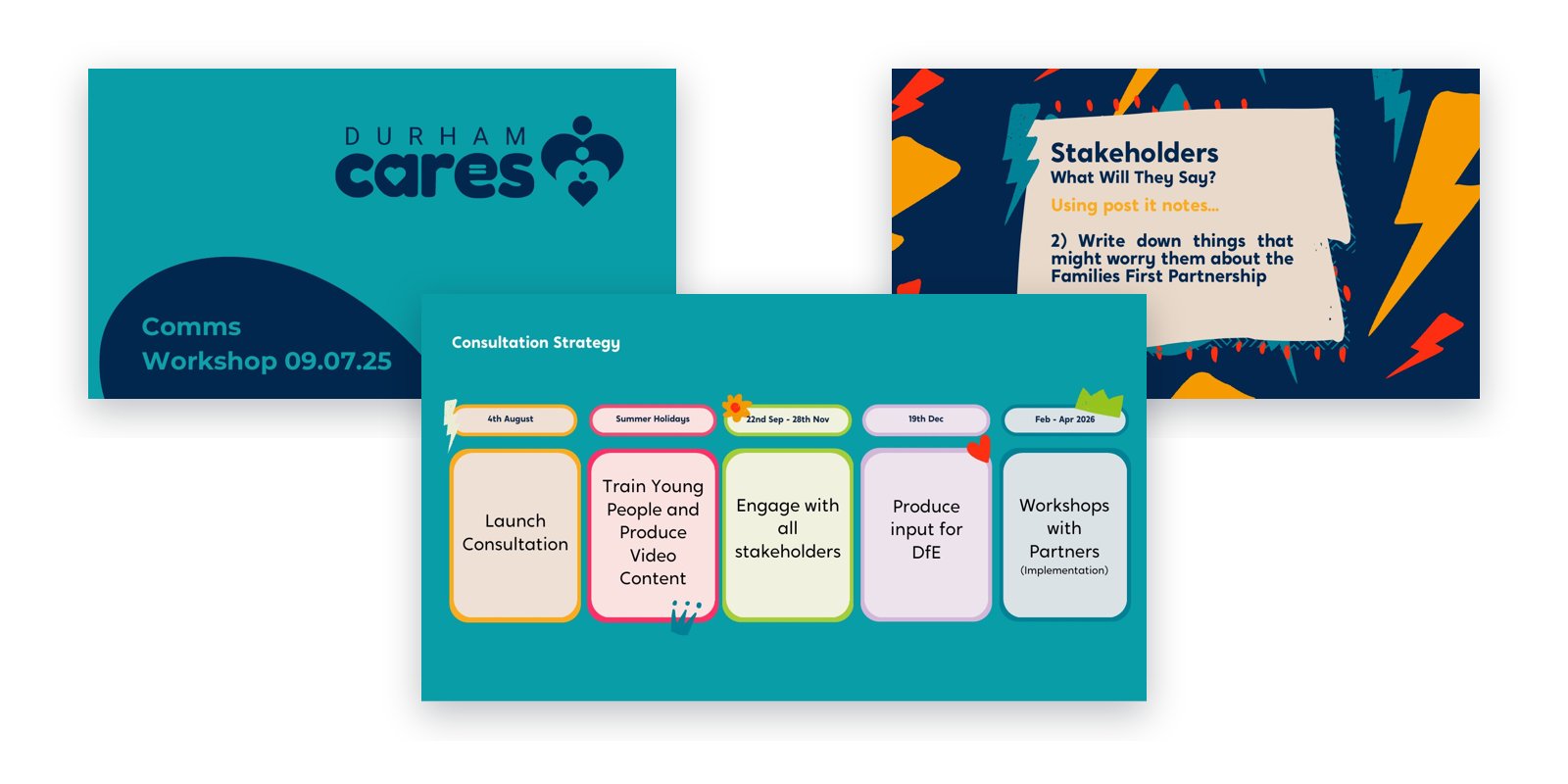


The starting point
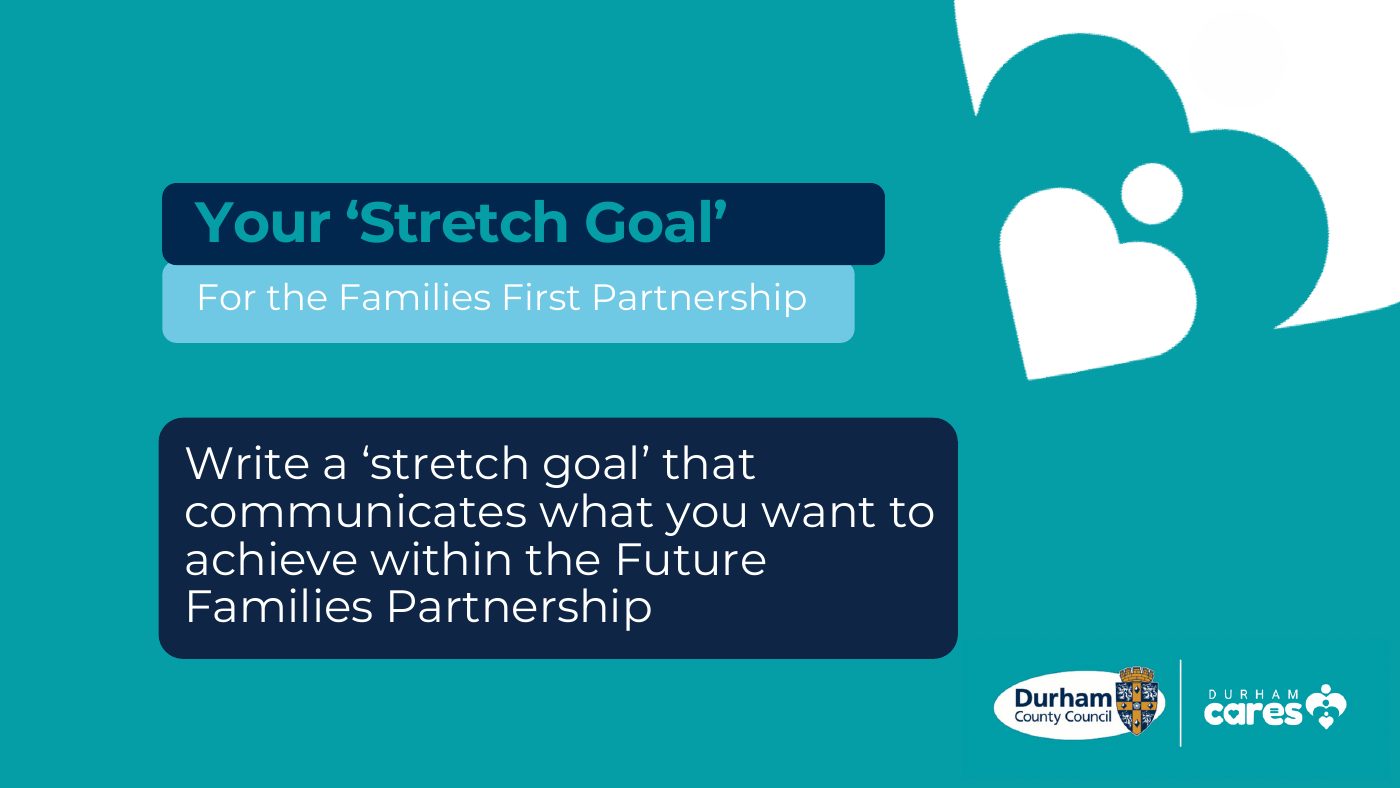
Durham supports 88,000 children across coastal towns, market towns and some of England’s most rural communities. The Families First Partnership reforms asked it to bring family help, child protection and family networks closer together. Durham wanted that change built on what staff and families were actually experiencing.
What we did
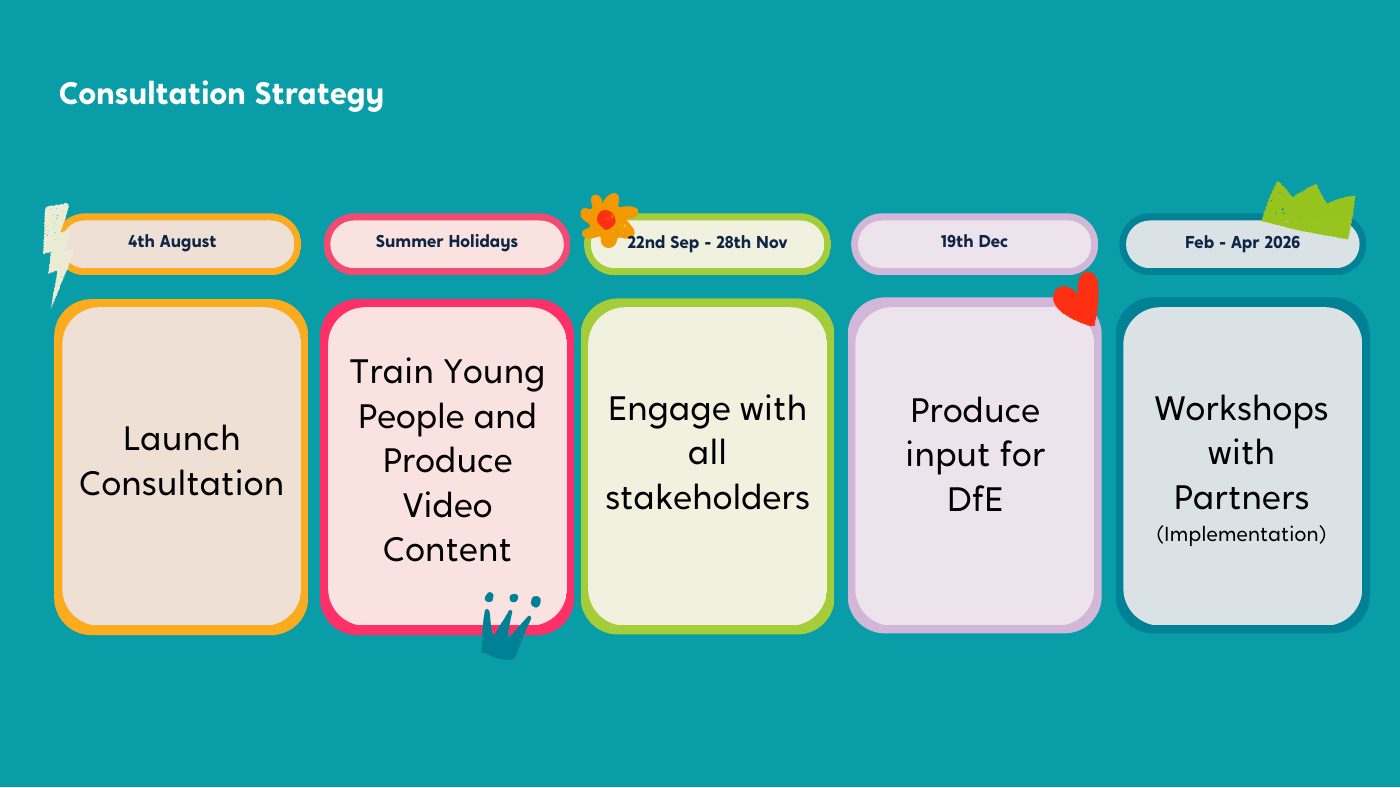
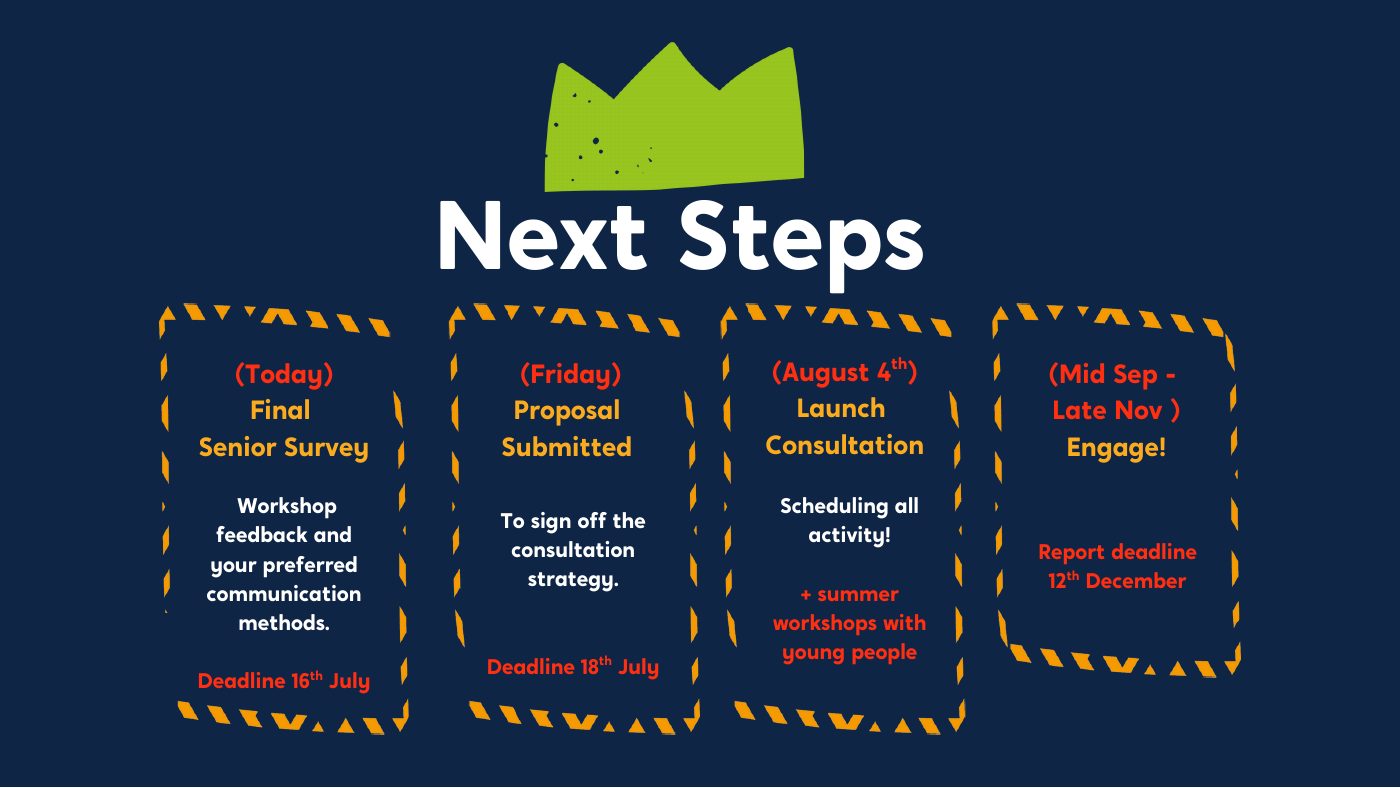
- August 2025ListenTeam workshops, one-to-ones, shadowing, micro-workshops and family visits
- To December 2025475+ voicesAround 375 practitioners, 50 managers and 50 families and young people across 50 teams
- AlongsideFive workstreamsFront Door, Family Help, MACPT, Family Group Decision Making and Practice, project-managed with each lead
- Young peopleFilming weekYoung people filmed 35+ practitioners, staff and peers for seven launch videos, a podcast and a documentary
Between August and December 2025 we heard from over 475 people across 50 teams: 11 Family Hub teams, 14 social work teams, 8 Integrated Family Services teams, and 17 specialist teams including Early Help, ASET, the kinship team, IROs, MASH, commissioning and senior leaders. That was around 375 practitioners, 50 managers and 50 families and young people. We used team workshops, one-to-one sessions, shadowing social workers, short micro-workshops and visits to families, so families on Child in Need, Child Protection, pre-birth and kinship pathways all had their say.
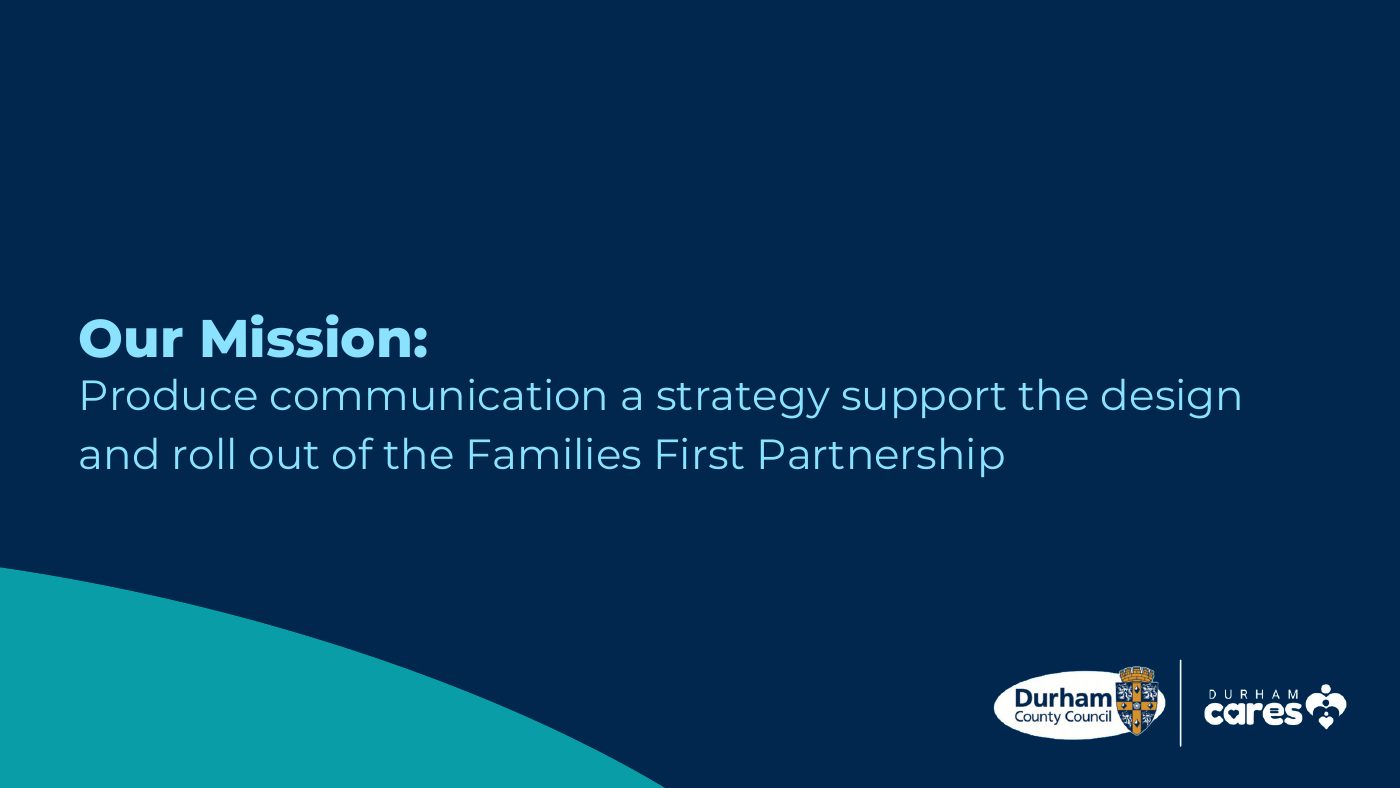
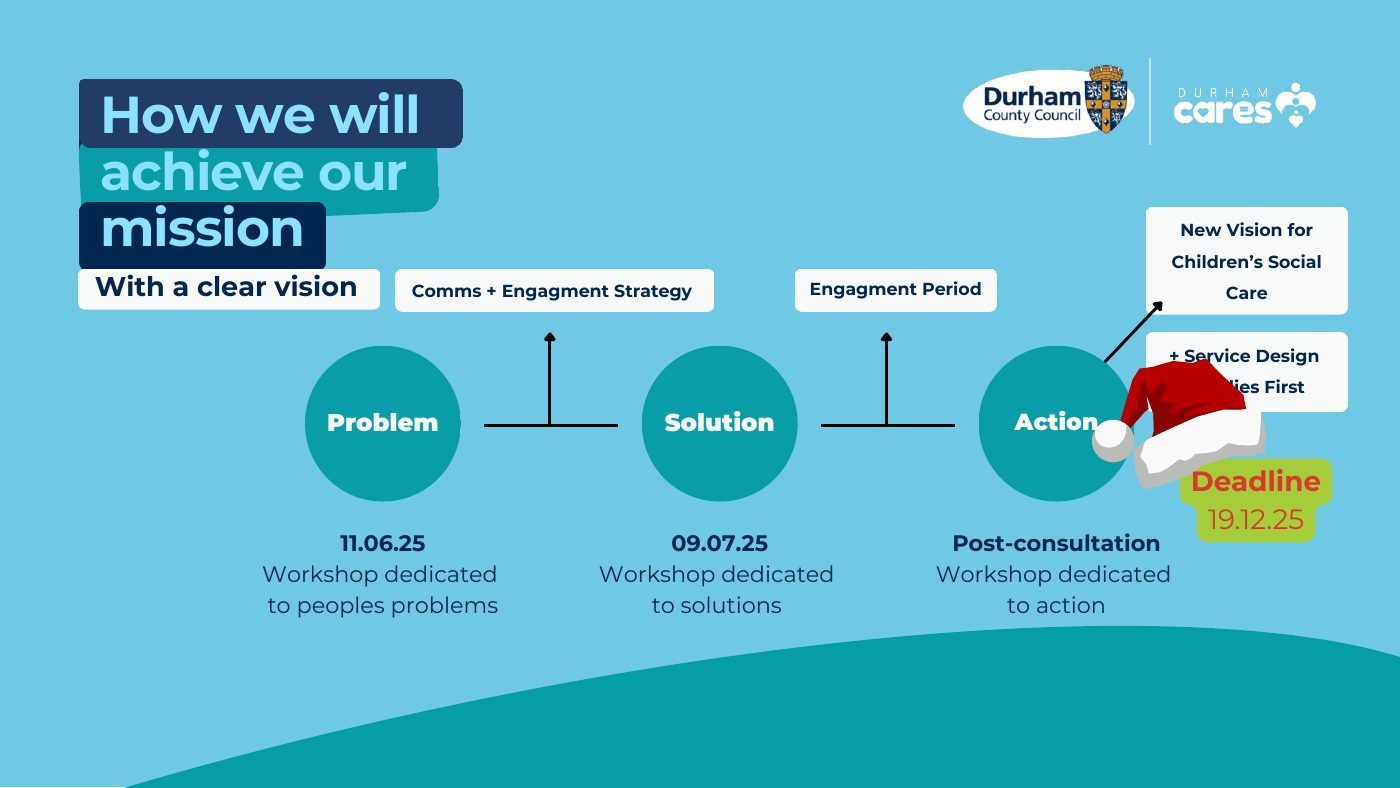
We also project-managed all five reform workstreams (Front Door, Family Help, MACPT, Family Group Decision Making and Practice), running workshops with each workstream lead on the timeline and approach.
Young people’s voice. Working closely with Durham’s care leavers team, we ran youth-led creative workshops, coached practitioners in the participation team, and wrote a strategy for a new Care Leavers Network. In a dedicated filming week, young people interviewed and filmed over 35 practitioners, staff and peers. The result was seven launch videos made by and featuring young people, a podcast, and a documentary following a care-experienced practitioner in the participation team.
What we heard
Across the teams and the families we heard the same things in different words. Families had to repeat their story every time they moved between services, and wanted the same worker to stay with them. In Durham’s rural communities, the distance families travel to get help came up again and again. And families wanted information they could actually understand.
What changed
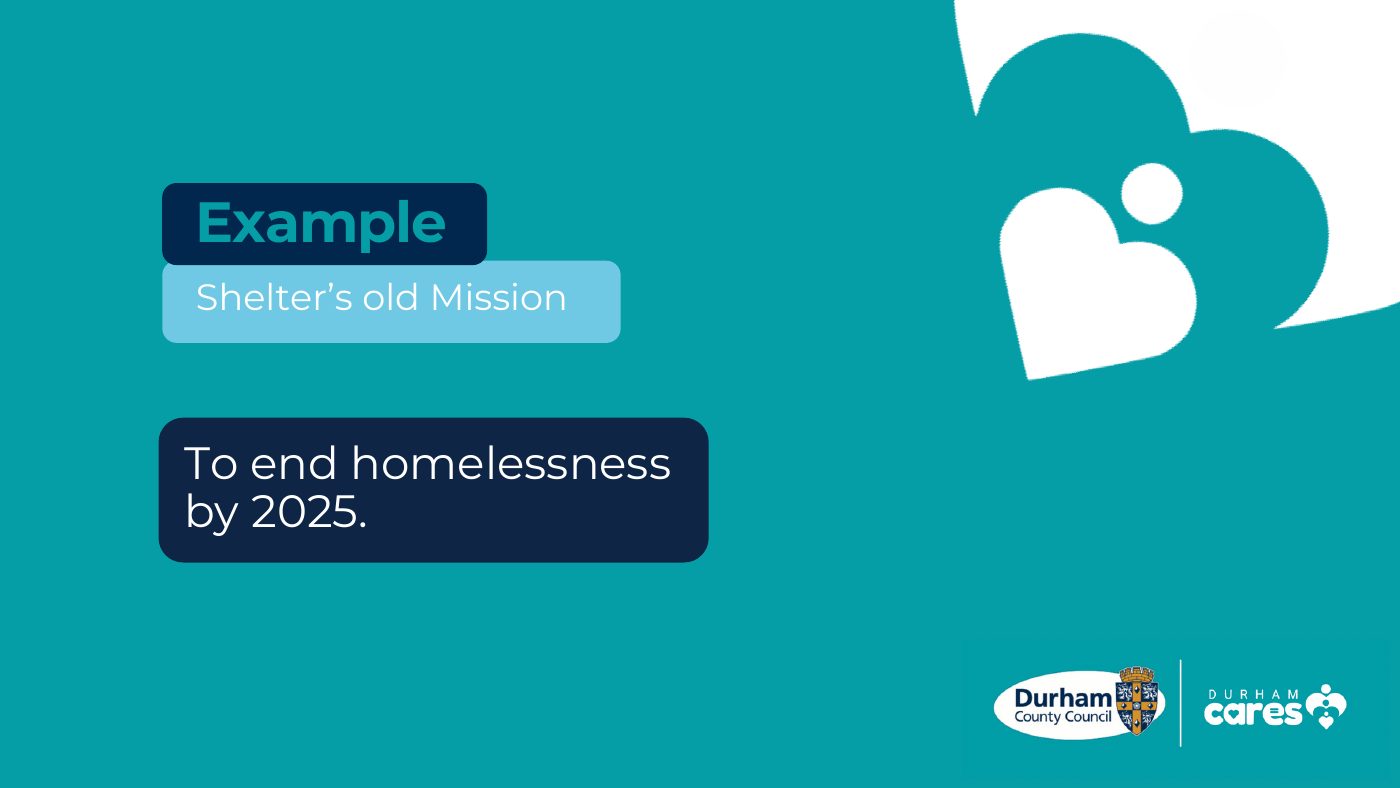
Reform built on what staff and families said first.
The consultation’s recommendations are now shaping the co-design phase of Durham’s reforms.
Partners and staff have said that being consulted early, and having the chance to shape the reforms, reflects Durham’s collaborative way of working. The young people who took part in the filming week developed real skills in interviewing, recording and storytelling, and the films are now used in engagement and induction.
See the work
Open any piece to look through it page by page.
Five reform workstreams
We project-managed all five with each workstream lead. Choose one.
The five workstreams
How families first ask for help, and where that request goes next.
Bringing early help and child in need support closer together.
Multi-agency child protection teams.
Families and their networks making plans for their children, earlier.
The shared way of working that sits under all of it.
Five ways to listen
- Team workshops Whole teams, in their own space
- One-to-ones For the things people won’t say in a room
- Shadowing Alongside social workers on the job
- Micro-workshops Short sessions that fit a busy day
- Family visits Families on Child in Need, Child Protection, pre-birth and kinship pathways
Who we heard from
- 11 Family Hub teams
- 14 social work teams
- 8 Integrated Family Services teams
- 17 specialist teams, from Early Help to senior leaders
Young people behind the camera
In a filming week, young people interviewed and filmed more than 35 practitioners, staff and peers.
- 7 launch videos made by and featuring young people
- 1 podcast
- 1 documentary following a care-experienced practitioner
Alongside the care leavers team
- Creative workshops Youth-led, with Durham’s care leavers team
- Coaching For practitioners in the participation team
- A strategy For a new Care Leavers Network
From what we heard to what happens next
- Development How the strategy was built, and who we heard from
- Core findings Themes, each linked back to its sources
- Strategic objectives Synthesised from the findings
- Action plan Leaders respond directly to what people said
- Training What staff need to make each objective real
- Governance Roles, sub-groups and reporting, tied to the workstreams
- Sustainability A three-year plan so the change sticks