 rmation
Transformation and service design
New duties, tighter budgets and inspection findings all push services to change. We help you redesign yours with the staff, children and families who use it, so the new model works on day one and keeps working after we leave.


What is transformation and service design?
Transformation means changing how a service works, not just adding to what it does. Service design is how we get there. We look at your service through the eyes of the children, families and staff who use it, design a new model with them, and help you put it in place.
 A shared vision
 New service model
 Business case
 Consultation
 Inspection response
 New duty

What we do
Vision and valuesA shared direction for a service, built from the ground up with the staff, children and families who deliver and use it.
ExamplesDurham Cares, Middlesbrough Children Matter
New service models and business casesFrom a first idea to an agreed and funded model, with the options tested and the case written for the people who sign it off.
ExampleBridge and Beyond, NHS Staffordshire and Stoke-on-Trent
System-wide consultationHearing from everyone a change affects, from front-line staff to families, before the decision is made rather than after.
Examplethe Families First Partnership consultation in Durham, with over 475 people
Staying Close and leaving care servicesDesigning support that stays with young people after they leave care, from hubs and housing to the people they can still call.
Examplescare leaver hubs in West Sussex, Staying Close in North East Lincolnshire

Is this for you?
Services usually come to us when:
You have to implement the Families First Partnership by March 2027, and you’re not sure families and staff have been heard.
An inspection or review says something must change, and you need a plan people believe in.
Children are falling between services, and no single agency owns the problem.
You have an idea for a new service and need a model and a business case to get it funded.
How commissioning works
Every commission follows the same five steps. Here is what you get at each one.
- 1A conversation
A free call about what is pushing your service to change: a new duty, an inspection, or an idea.
You get- An honest view on whether we’re the right fit
- A first view of the scope
- 2A short diagnostic
We hear from staff, children and families, and read your data and inspection findings.
You get- A picture of what works today and what doesn’t
- The priorities for the redesign
- 3A clear brief
We agree the shape of the work before it starts.
You get- Named outcomes
- A timeline and a price
- Who we will involve, and how
- 4Co-design and delivery
Workshops, consultation and modelling with the people the change affects.
You get- Regular progress reports
- A draft model to test before it is final
- A business case, where you need funding
- 5A clean handover
The new model goes to the people who will run it.
You get- The agreed vision or model, owned by you
- An implementation plan
- Materials your team can keep using
No surprises. The first call is free. Nothing starts until you have agreed the brief, the outcomes, the timeline and the price.
Previous work
Service redesign, business cases and consultations, in councils and the NHS.
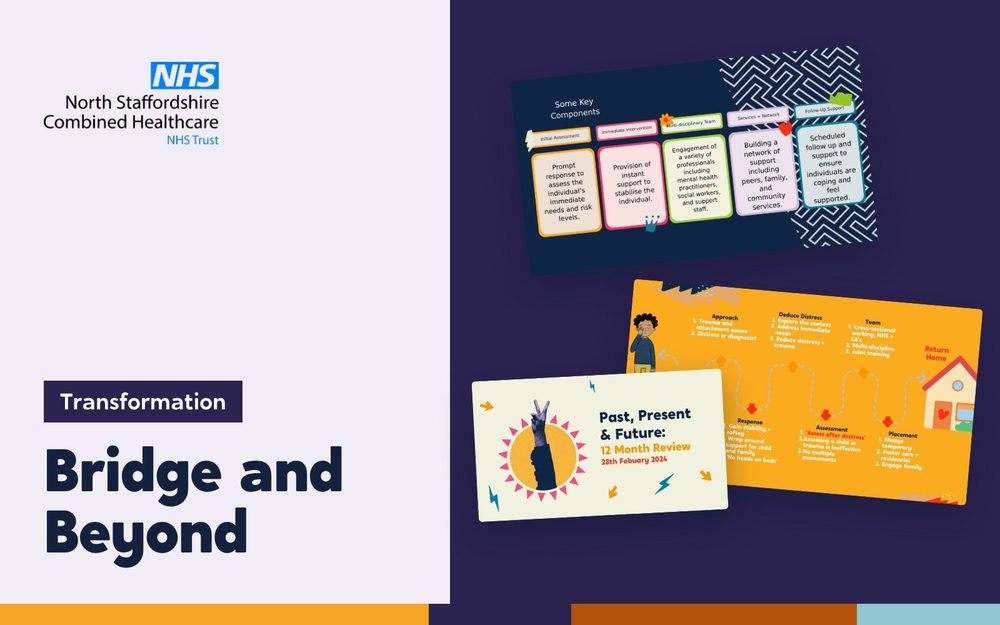
NHS Staffordshire and Stoke-on-Trent: Bridge and Beyond
One service for the children who fell between systems. A business case that secured £4 million, and more than 400 staff trained.
Read the case study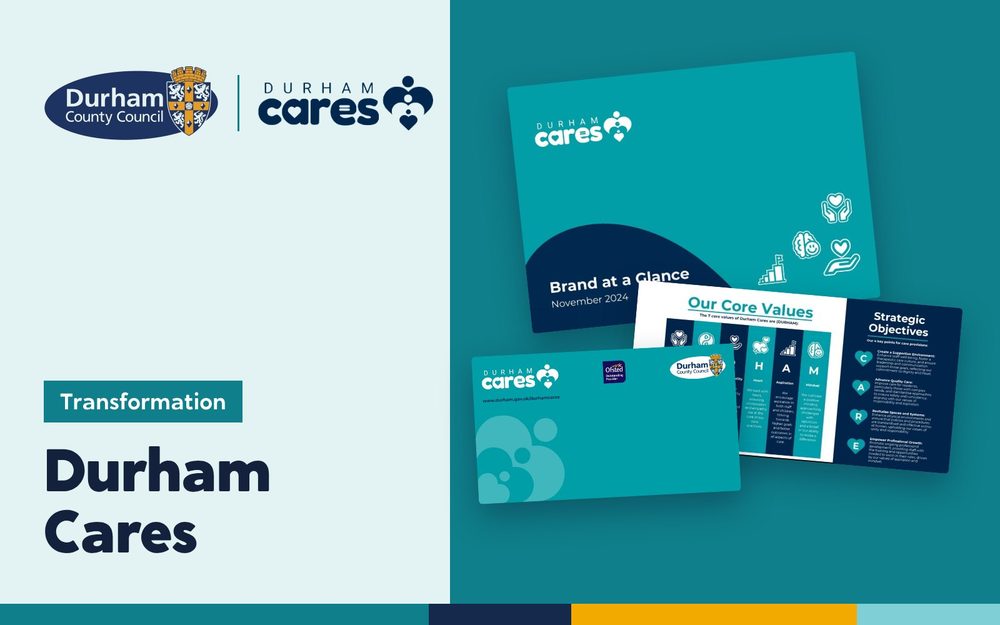
Durham County Council: Durham Cares
A new vision for children’s services, built from the ground up. 105 residential staff shaped it.
Read the case study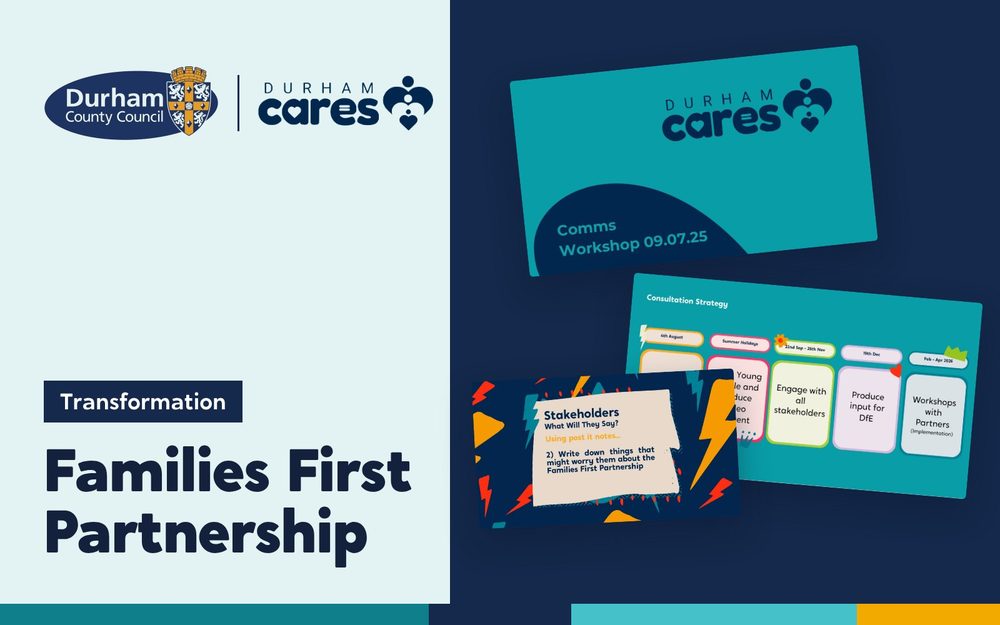
Durham County Council: Families First Partnership
Hearing from everyone before changing everything. Over 475 people heard across 50 teams.
Read the case study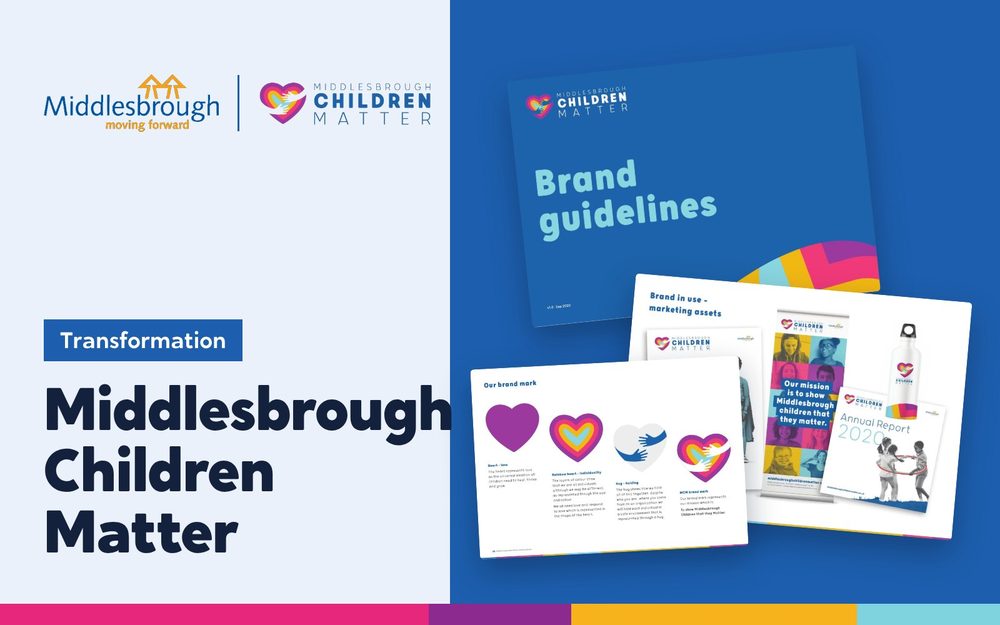
Middlesbrough Council: Middlesbrough Children Matter
A vision built with young people and staff. 300 staff, young people and partners helped shape it.
Read the case study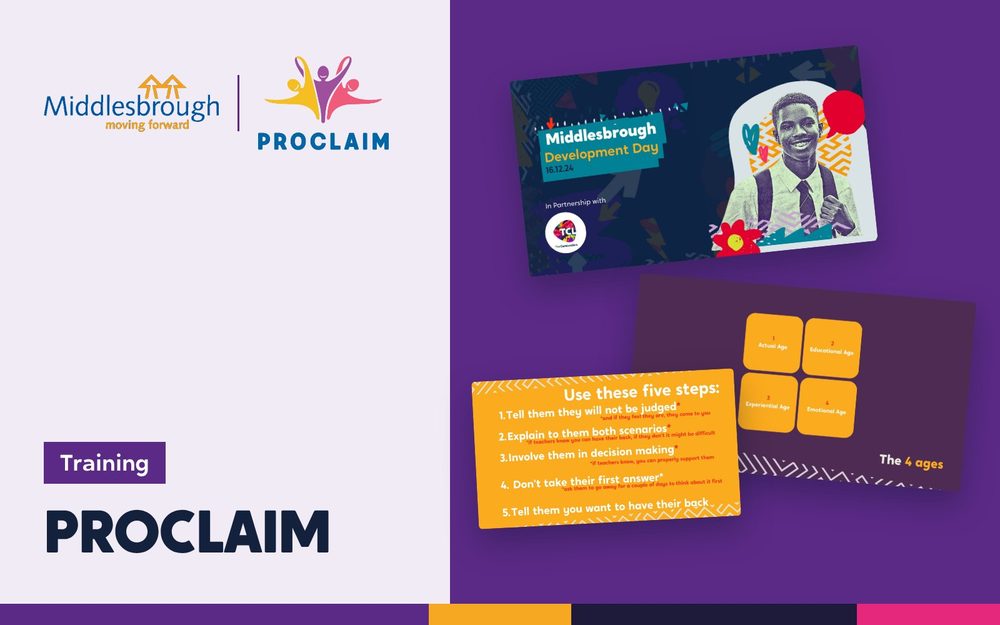
Middlesbrough Council: PROCLAIM
Making a town-wide trauma-informed schools programme heard. 427 staff signed up to the training platform and 128 CPD certificates were issued.
Read the case study
Questions commissioners ask
Do you support Families First Partnership work?
Yes. In Durham we ran the Families First Partnership consultation, hearing from over 475 people, including families, staff and partners.
Can you help us get ready for Staying Close as a legal duty?
Yes. Staying Close is now a duty for care leavers up to 25. We’ve designed support that stays with young people after they leave care, from Staying Close in North East Lincolnshire to care leaver hubs in West Sussex.
Can you help us meet the wider corporate parenting duties?
Yes. The Children’s Wellbeing and Schools Act 2026 widens corporate parenting duties, including new duties on government departments and public bodies from autumn 2027. We help councils turn the duty into something care leavers can feel, for example through The Family Business.
Do you work with Regional Care Cooperatives?
Yes. We worked with Home and Future, the South East Regional Care Cooperative, on a youth participation collective across up to 19 councils, where young people designed a Shadow Board to shape regional decisions.
What does it cost?
It depends on the size of the work. We agree a price in the brief before anything starts, so there are no surprises. Contact us for a price.
How long does it take?
Most work runs for three to 12 months. We set the timeline with you in the brief.
Who do you involve?
Your leaders and staff, your partners, and the children, young people and families who use the service. We agree who’s involved, and how, in the brief.
How do we buy from you?
Smaller pieces are usually a direct award or a quote. Larger pieces may go to tender, and we’re happy to talk before you write the specification.